when to go
Best Time to Visit Iberostar Waves Tucán (Month-by-Month)
For most travelers, the best time to visit Iberostar Waves Tucán is December through April, when the Riviera Maya typically has its driest, sunniest and least humid weather. That makes it ideal for beach days, pool time and exploring the coast between Playa del Carmen and Tulum. As an all-inclusive, all-ages resort with facilities for children, it suits couples, friends and multi-generational groups.
Want better value? September and October often bring lower rates and quieter days, with the tradeoff of higher humidity, more rain and the peak of hurricane season.
Keep planning your all-inclusive stay at Iberostar Waves Tucán with these quick guides. Compare our six room categories (Premium Room, Junior Suite Oceanfront, Premium Room Near Pool, Premium Room Beachside, Premium Room Promo and Premium Room Pure Wellness), browse the restaurants and bars (Bonsai, Mare Nostrum, La Hacienda and La Góndola), and preview activities, wellness, weddings and meeting spaces, so you can book the right experience for your trip.
Best Time to Visit Iberostar Waves Tucán by Your Priority
Match your trip style (sunshine, value, school-break timing or a quieter pace) to the ideal time of year on the Riviera Maya.
Best for perfect weather
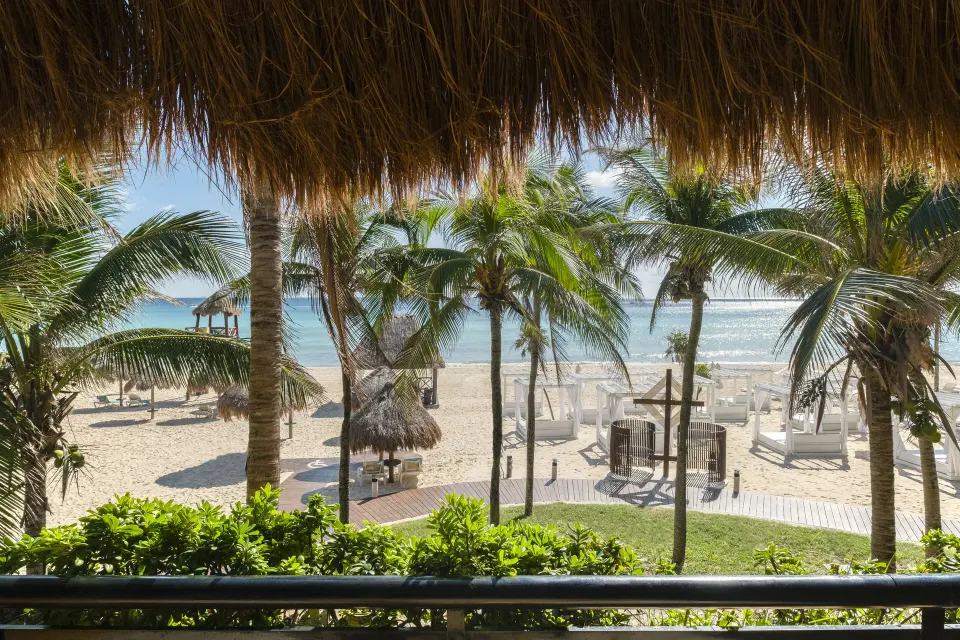
December – April delivers the driest, sunniest days of the year for beach time, pool lounging and excursions to nearby Playa del Carmen, Akumal and Tulum.
Best for deals & lower rates

September – October is typically the best value window for all-inclusive rates (tradeoff: heat, humidity, rain and hurricane-season risk).
Best for travelers of all ages
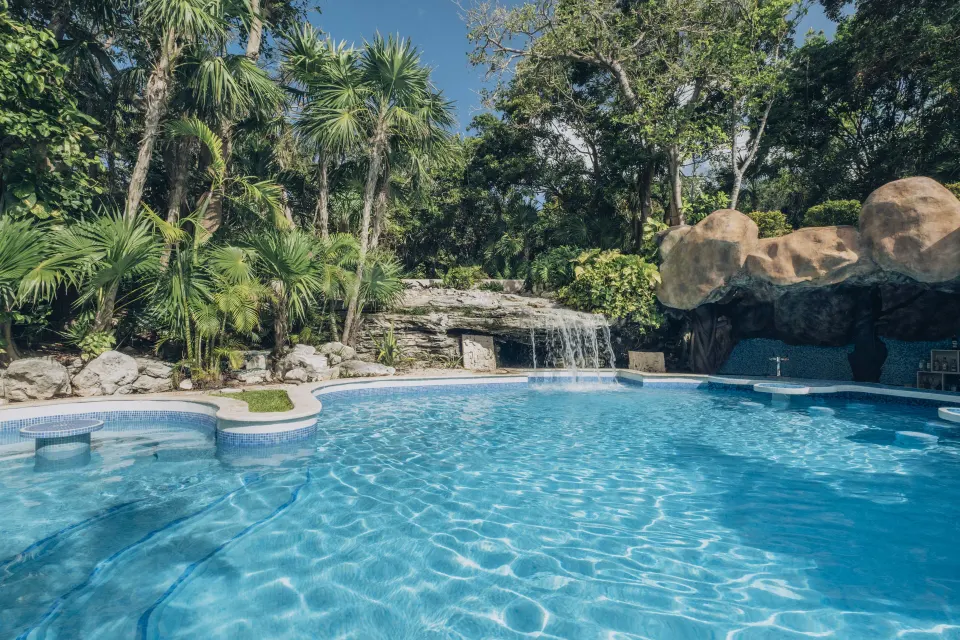
Christmas week, Easter/spring break and July–August line up with school holidays, when children's facilities and group travel are most active. Pick winter or spring for the most comfortable weather.
Best for fewer crowds

September and November are usually calmer, with easier restaurant and bar access and more open space at the pool and beach.
Month-by-Month Guide to Visiting Iberostar Waves Tucán
Use this breakdown to match your travel goals while staying on the Riviera Maya coast of Quintana Roo, with an all-inclusive stay that covers your meals and drinks and easy access to Playa del Carmen, Puerto Aventuras, Akumal and Tulum.
January
Dry • Sunny • Peak season- Warm, sunny days with low humidity, usually the mid-80s °F (around 28–30°C)
- Occasional breezy evenings or cooler "norte" fronts, so bring a light layer
- Higher demand after the New Year holidays
February
Dry • Comfortable • Popular- Reliable sunshine and comfortable evenings
- Great for beach walks, excursions and outdoor dining
- Valentine's travel adds a romantic feel
March
Spring break • Lively • Sunny- Excellent weather, with warmth building toward spring
- Spring break and Easter travel bring a livelier crowd
- Book early for the best choice of room category
April
Warm • Still dry • Balanced- Hotter days, still mostly dry and beach-friendly
- Crowds ease after Easter in many years
- Sargassum seaweed can begin appearing on Riviera Maya beaches
May
Hot • Good value • Quieter- Hot, humid days that suit long pool sessions
- Often better pricing than winter peak
- Sargassum is more common in late spring and summer, so check conditions before you travel
June
Hot • Humid • Rainy season starts- Higher humidity and brief afternoon showers
- Atlantic hurricane season officially begins June 1
- Plan excursions for the morning and pool time for the afternoon
July
Summer break • Busy • Hot- Peak summer heat and humidity
- School vacations bring more families and groups of all ages
- Warm sea temperatures are great for swimming
August
Value starts • Humid • Storm risk- Hot, humid weather continues with more frequent showers
- Storm risk rises as hurricane season builds toward its peak
- Late month can bring better promotions
September
Quietest • Lowest rates • Rainiest- Often the calmest month at the resort
- Strong chance of the year's lowest rates
- Highest rain and tropical-storm risk, so stay flexible and consider travel insurance
October
Value • Still wet • Transition- Deals continue, especially early in the month
- Rain and humidity remain high, then ease toward month-end
- Good mix of downtime and open space on the beach
November
Shoulder season • Improving weather- Humidity and rain risk drop noticeably
- Often fewer crowds than December through March
- Great timing for excursions and relaxed resort days
December
Peak begins • Holidays • Best weather- Dry, sunny weather and comfortable humidity
- Christmas and New Year travel push demand and pricing up
- Book early for the room category you want
What to Pack for Iberostar Waves Tucán (Seasonal Tips)
- Dec–Apr: light layers for breezy evenings, reef-safe sunscreen, and a nicer outfit for dinner at Bonsai, Mare Nostrum, La Hacienda or La Góndola.
- May–Aug: breathable clothing, extra sunscreen, a refillable water bottle and after-sun care for the heat and humidity.
- Sep–Oct: a compact rain jacket, water-resistant sandals, insect repellent for the tropical setting and flexible excursion plans.
- All year: swimwear (extra sets for children), water shoes, sunglasses, a hat and a waterproof phone pouch.
FAQ: Best Time to Visit Iberostar Waves Tucán
Is December through April always the best time?
It's usually best for weather, but it's also peak demand. Book earlier if you're aiming for those dates, especially around Christmas, New Year and Easter.
When are the cheapest months to visit?
September and October often have the lowest rates, with late August and early November also worth checking. The tradeoff is more rain, higher humidity and hurricane-season risk.
Is Iberostar Waves Tucán all-inclusive?
Yes. Your stay includes meals and drinks, so you can enjoy restaurants such as Bonsai, Mare Nostrum, La Hacienda and La Góndola without planning around separate dining bills. It's an all-ages resort with facilities for children.
What month has the fewest crowds?
September is commonly one of the quietest months, followed by November, which can feel calmer around the pools, beach and restaurants.
When is seaweed (sargassum) most likely on the Riviera Maya?
Sargassum levels vary year to year, but it is generally most common from late spring through summer. Winter and early fall tend to be clearer, though conditions can change, so check current reports before you travel.
Do I need to avoid hurricane season completely?
No. Many trips from June to November go smoothly. The highest storm risk is typically August through October, so keep plans flexible and consider travel insurance if you're concerned.

BOOK YOUR STAY NOW
Questions? Contact Us!